Call or Text Us • (774) 300-2972
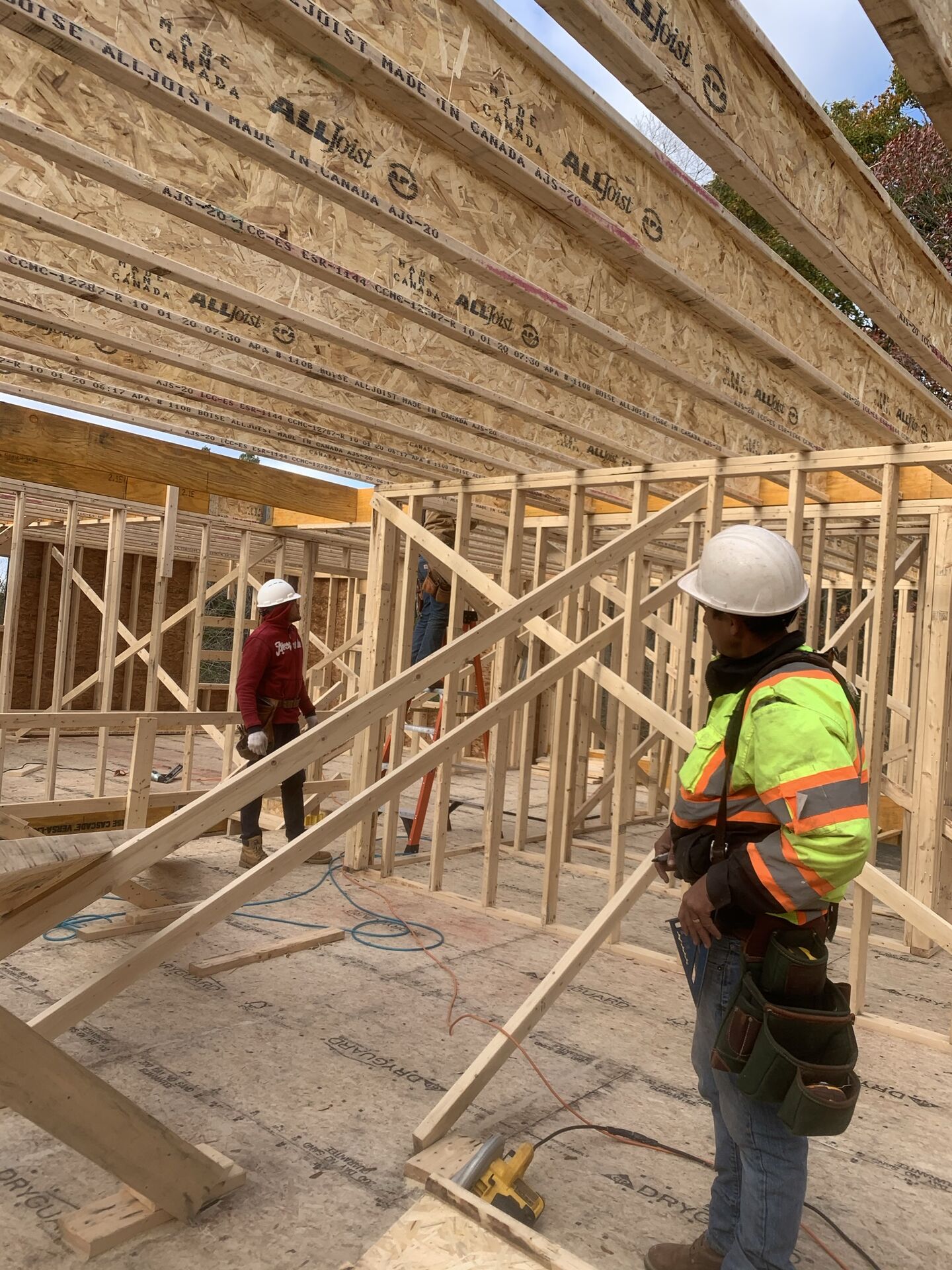
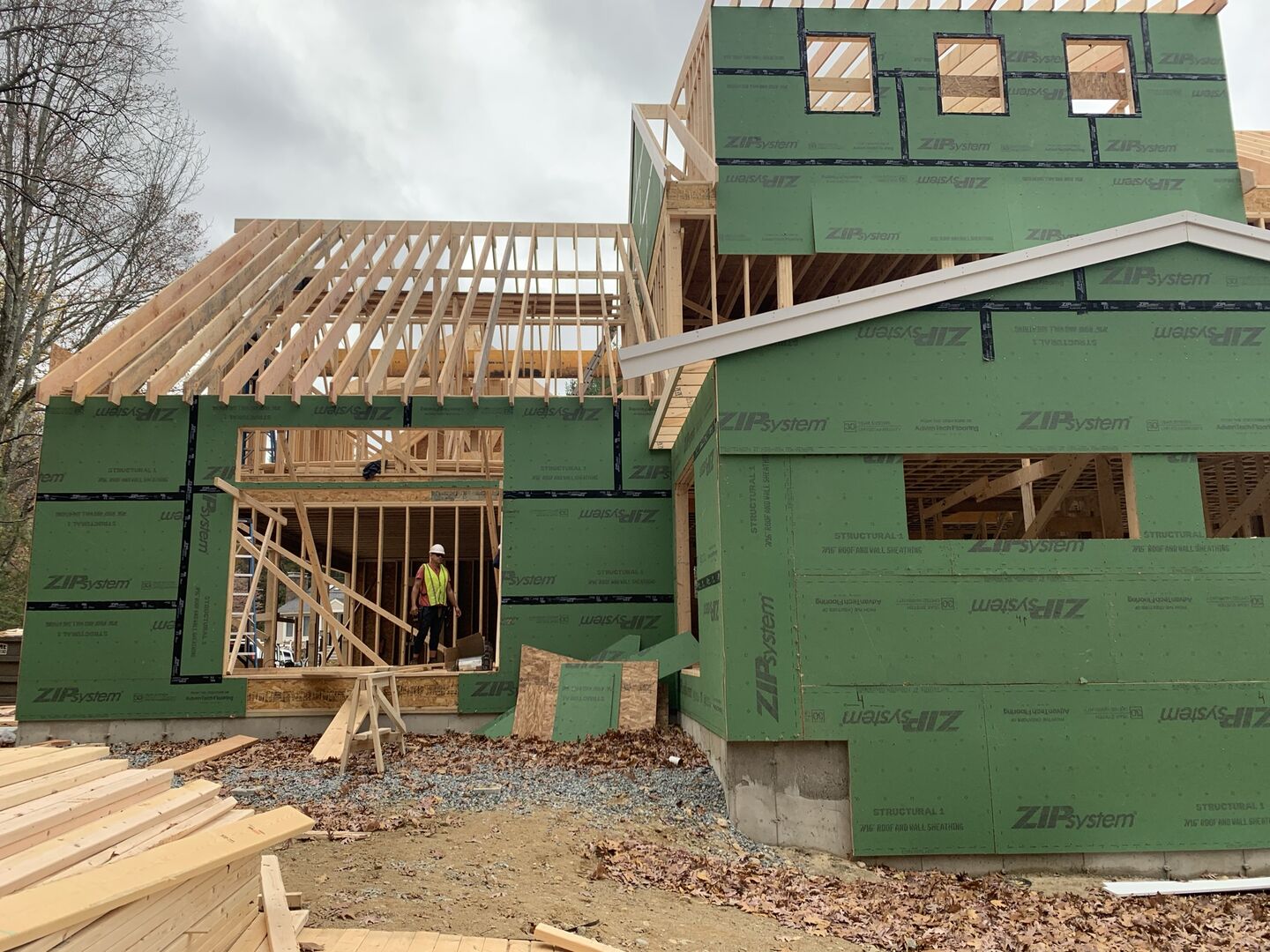
Millhawlk Design & Construction provides professional rough framing contractor services for homeowners, builders, and developers across MetroWest. Whether you’re building a new home, adding a second floor, or expanding your living space, our team delivers precision house framing, stick framing, and timber-frame structural work that forms the backbone of every great build.
We follow engineered framing plans, local building codes, and proven construction methods to ensure your structure is strong, square, and built to last.
As your local framing contractor we provide rough framing services for residential projects of all sizes. Whether you are building a new home, adding an addition, or remodeling an existing structure, our team provides expert rough framing services for residential projects of all sizes. Whether you are building a new home, adding an addition, or remodeling an existing structure, our team ensures that every frame is precise, strong, and built to last. We work closely with homeowners and architects to deliver results that meet engineering standards and local building codes.
Our framing services include:
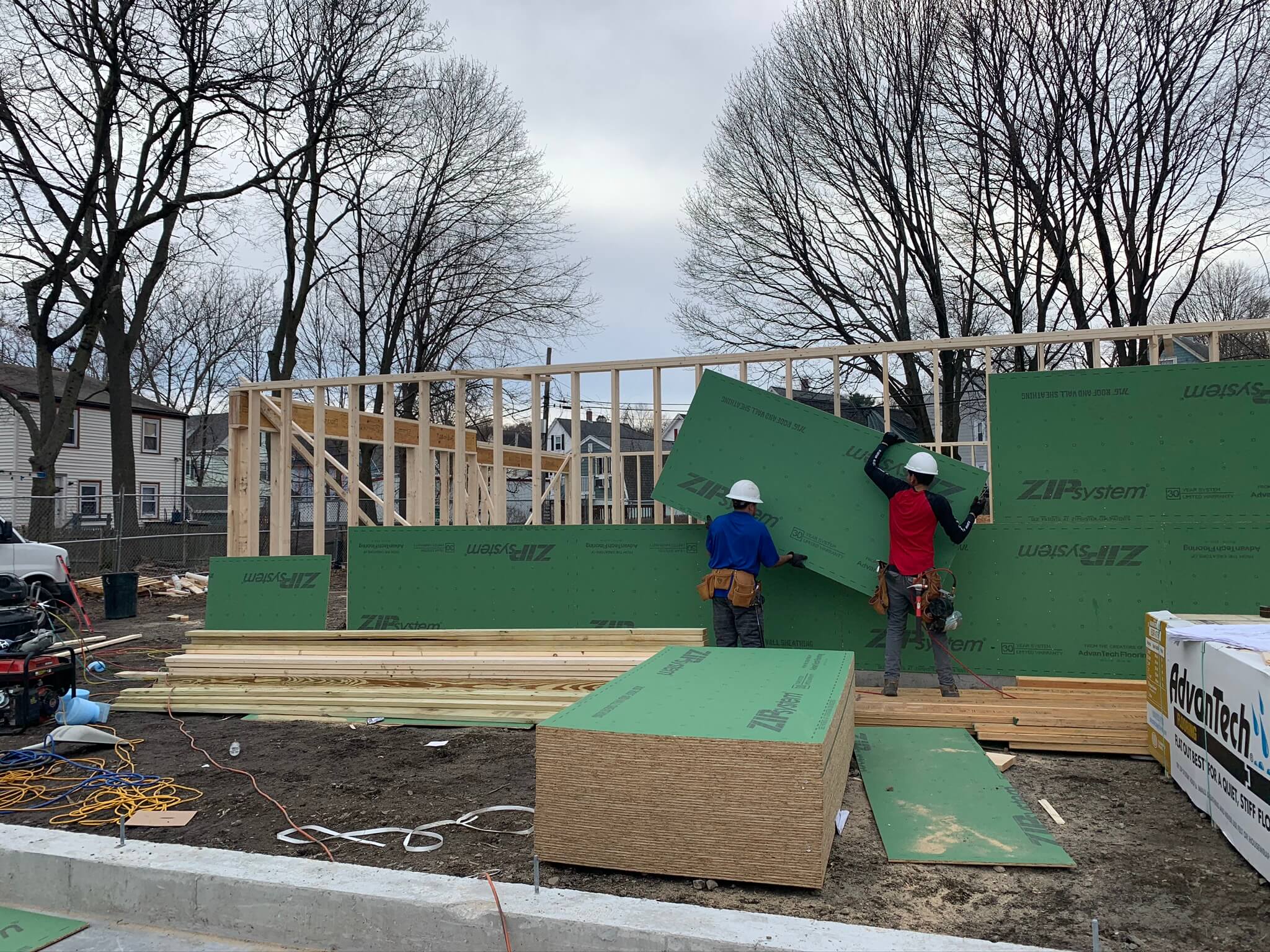
Every rough framing project follows a structured, quality-driven process designed to ensure accuracy, safety, and efficiency. We combine skilled craftsmanship with clear communication so homeowners, builders, and architects always know exactly what to expect at every stage.
We start by thoroughly reviewing your architectural drawings and structural plans. Our team identifies critical elements such as load paths, beam sizes, and unique design features. If plans are still in development, we collaborate with your architect or designer to ensure structural alignment and feasibility before framing begins.
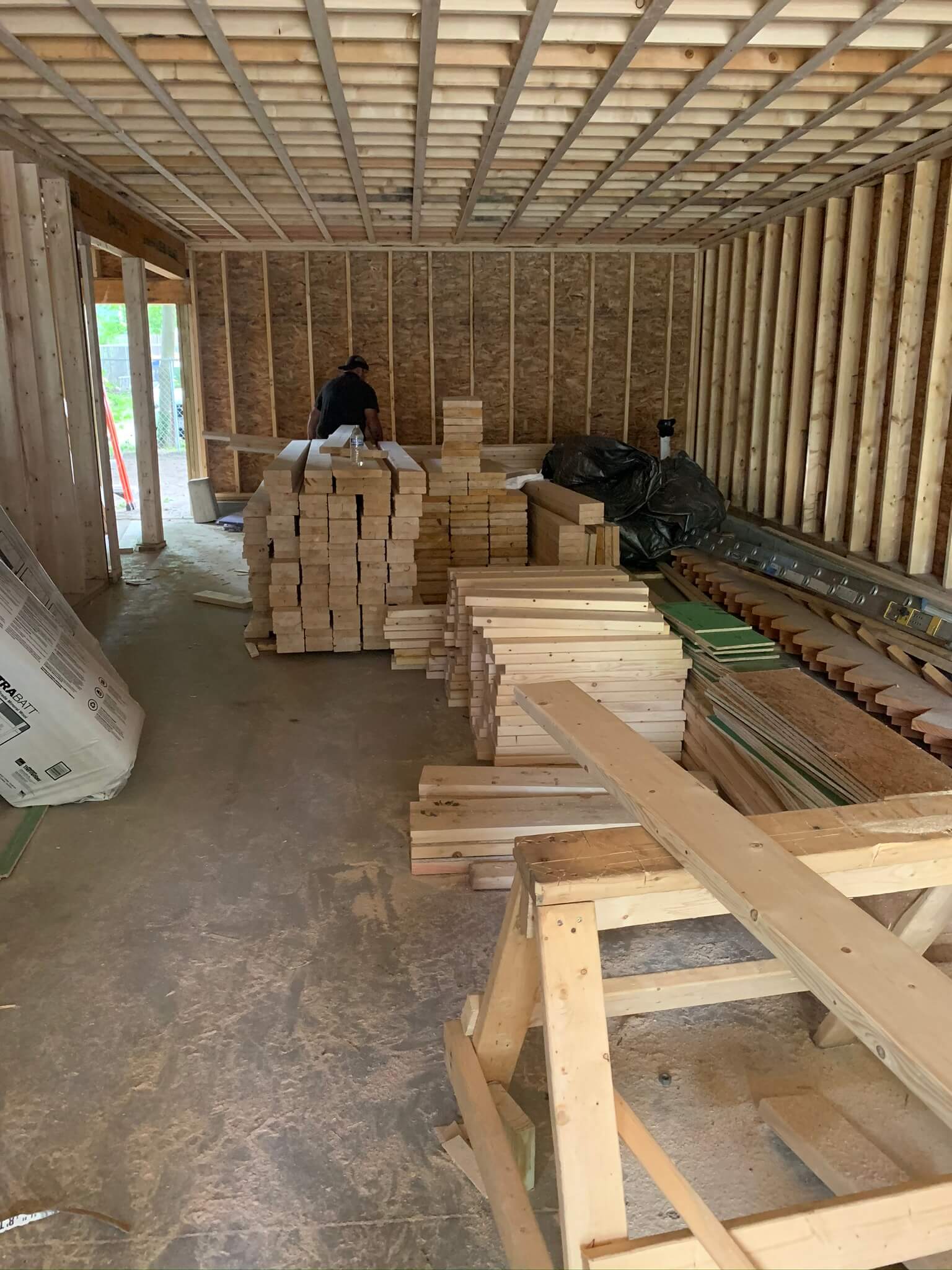
Next, we select the right materials, from dimensional lumber to engineered wood, fasteners, and metal hangers. We coordinate deliveries, ensure proper storage on-site, and prepare the workspace for safe, efficient construction, minimizing delays and keeping your project on schedule.
Before construction, we perform a precise layout of floors, walls, openings, and roof elements. This includes floor joist spacing, wall orientations, window and door placements, plumbing and mechanical pathways, and roof pitch alignment. Accurate layout ensures level floors, straight walls, and proper alignment with your architectural plans.
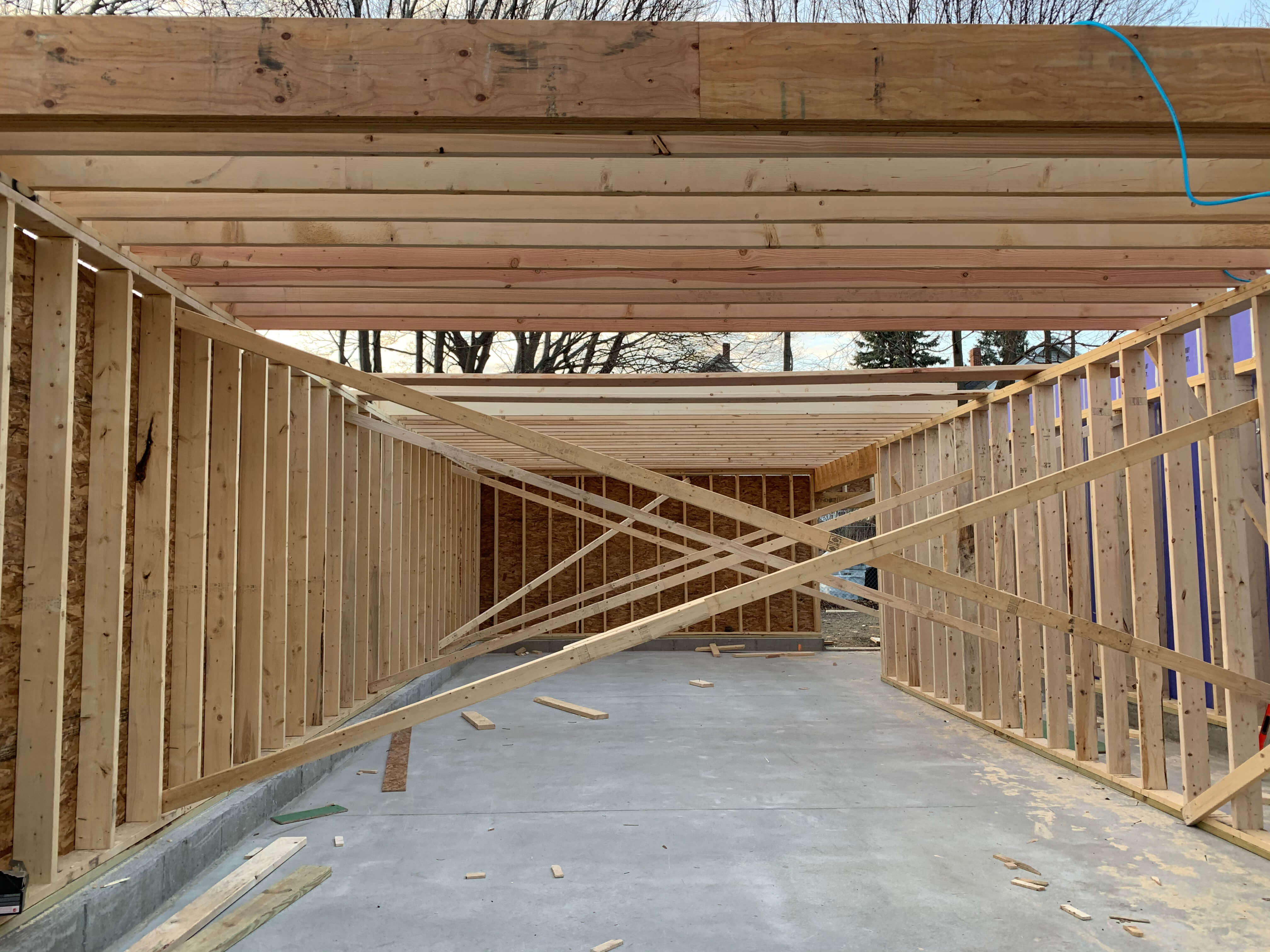
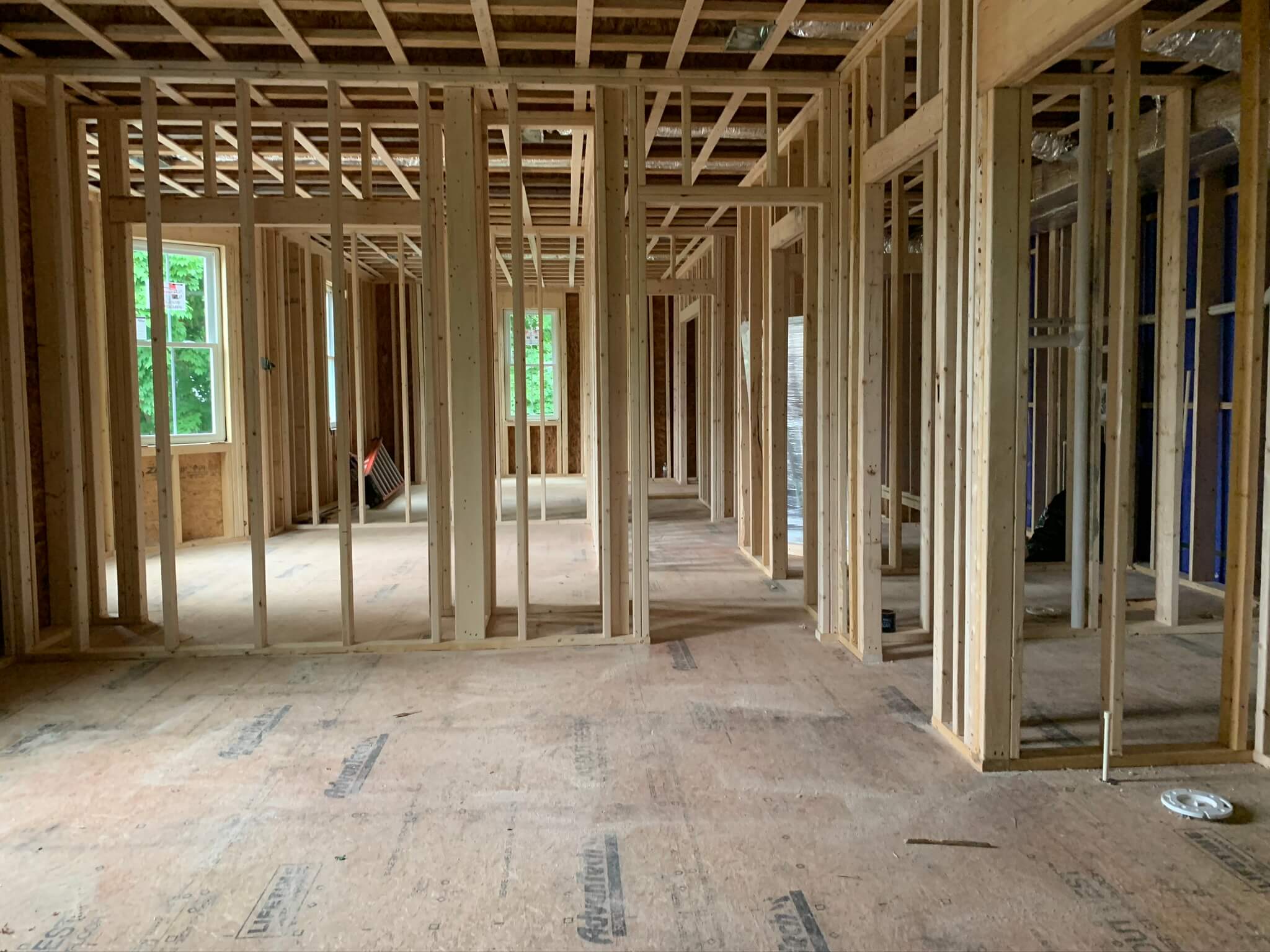
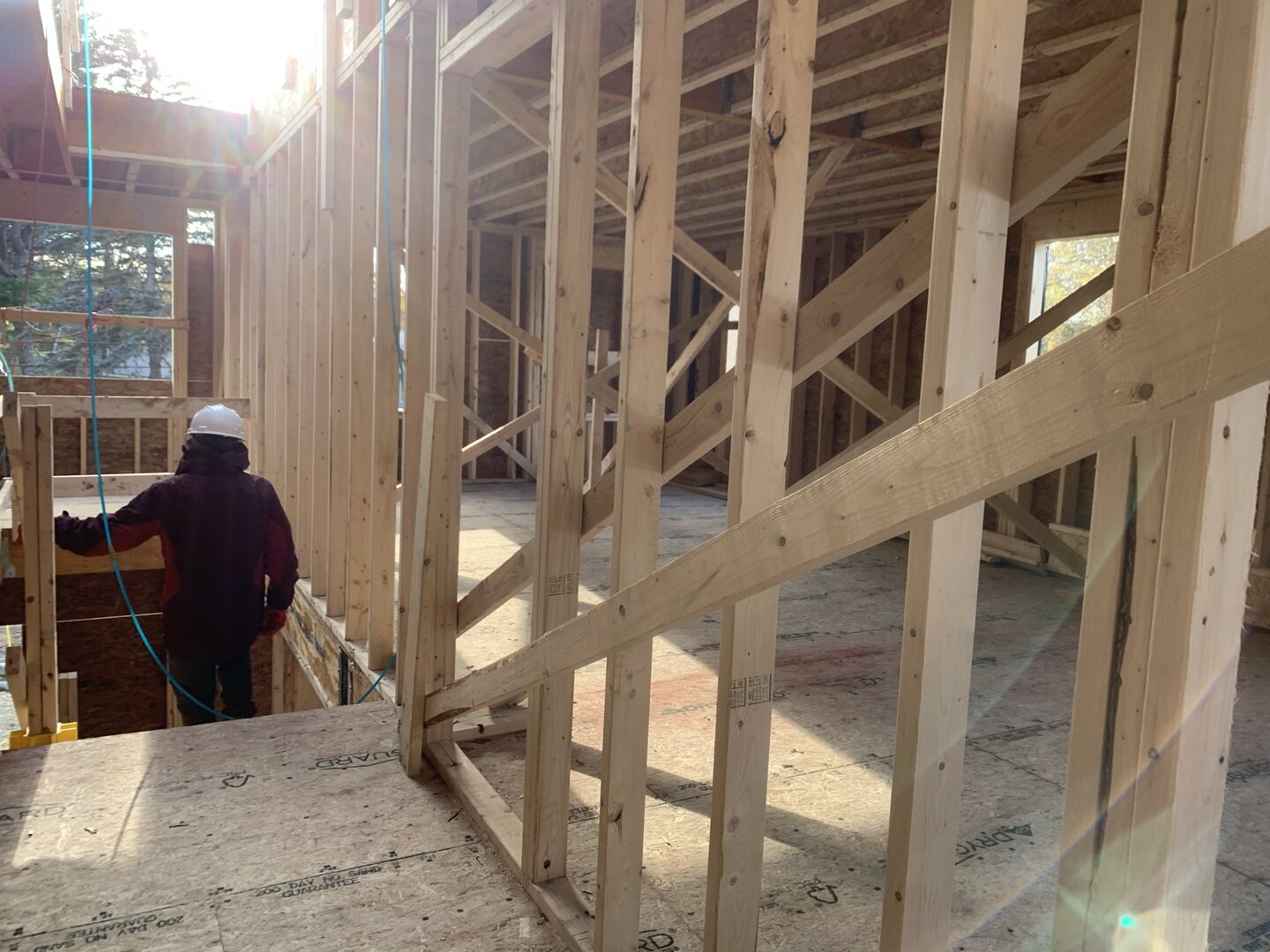
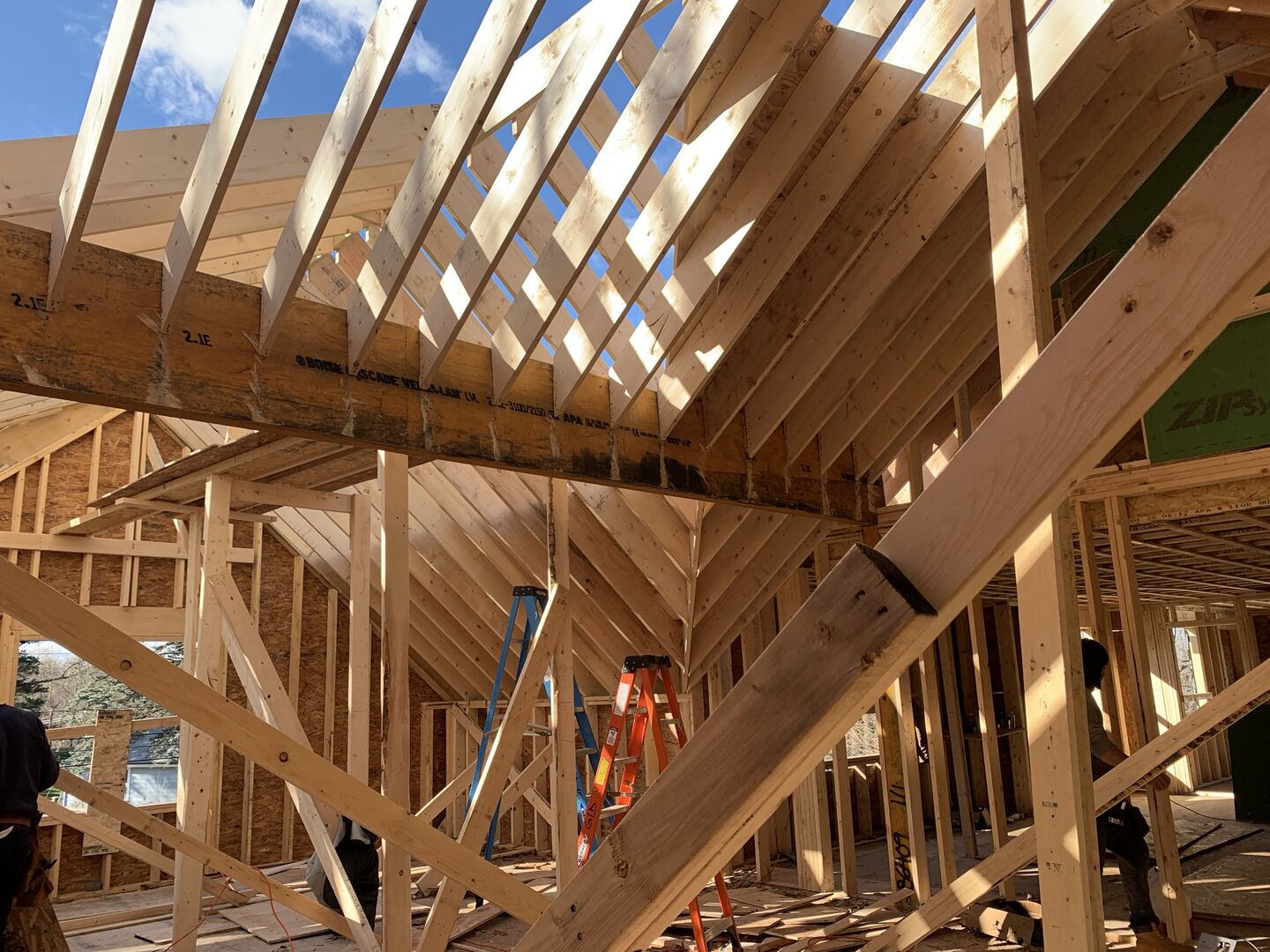
Our crew then builds the home’s structural skeleton, including exterior and interior walls, floors, roof framing, load-bearing supports, stairs, and rough openings. Every connection is carefully executed to ensure square corners, tight joints, and proper load transfer, setting a solid foundation for all trades to follow.
We conduct a thorough inspection of all framing work to ensure compliance with Massachusetts building codes, engineering specifications, and industry standards. Our team also coordinates with local inspectors, helping projects stay on track and pass all required inspections smoothly.
Choosing the right framing method is one of the most important decisions in any residential construction project. At Millhawlk Design & Construction, we are skilled in all major house framing systems, ensuring your structure is strong, efficient, and built to meet engineering and local building codes. Here are the primary types of framing used in new homes, additions, and remodels.
Millhawlk Design & Construction are skilled in all major house framing systems, from traditional stick framing to advanced timber-frame structures and modern hybrid solutions. Every project begins with a detailed review of your architectural and structural plans, followed by careful selection of the framing approach that best fits your design, budget, and engineering requirements. Our carpenters work to exact specifications, ensuring your home is framed straight, level, and structurally sound from the very first nail.
We build with precision, always aligning with Massachusetts building codes, engineering calculations, and industry-best practices. Whether you need framing for a new home, a second-story addition, or a full interior gut-and-rebuild, you can rely on Millhawlk to deliver a frame that supports both the immediate construction process and the long-term health of your home.
Learn more below about the primary types of framing used in new homes, additions, and remodels.
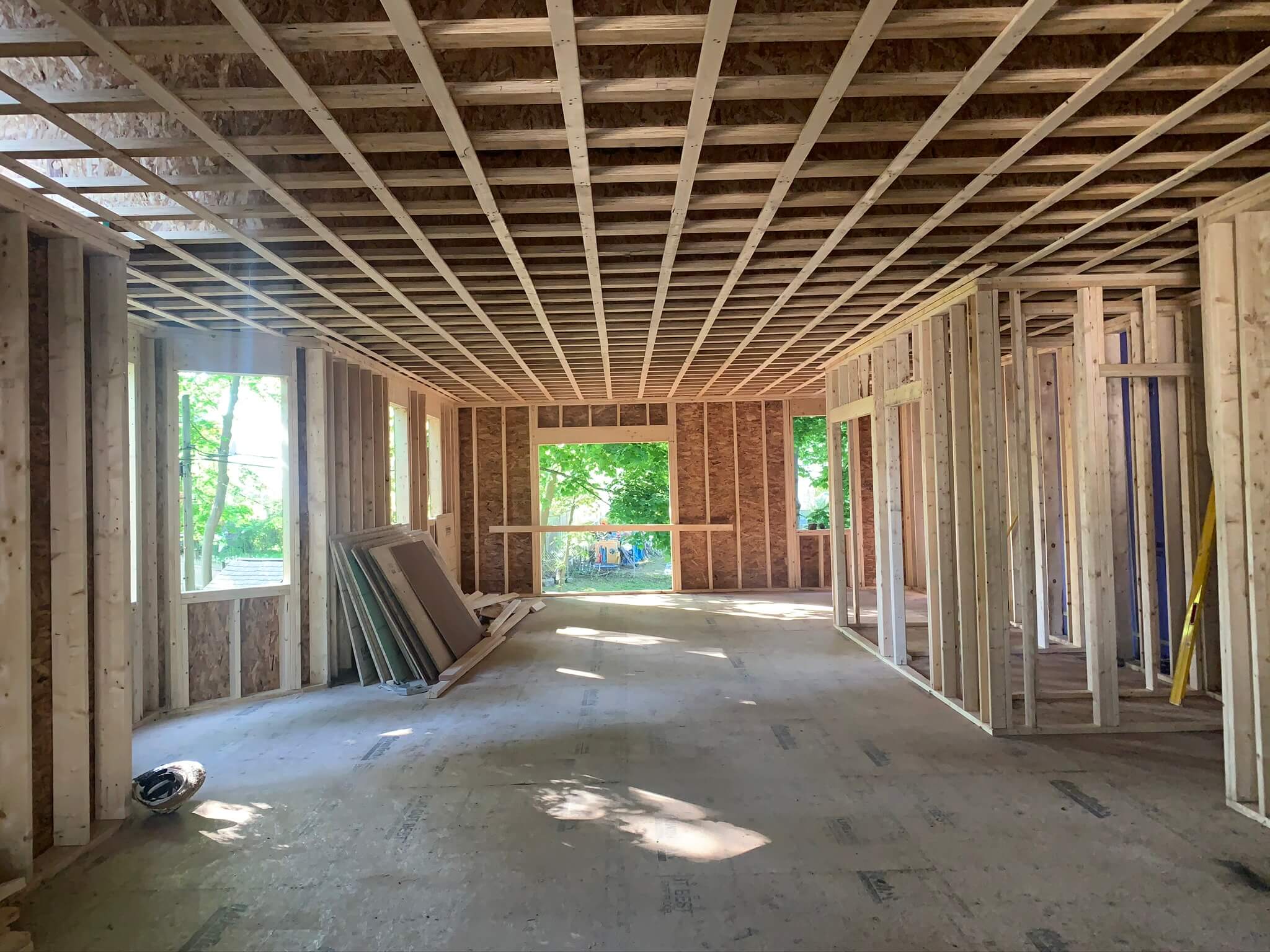
Stick framing is the most common method for building homes in the U.S. It uses individual pieces of dimensional lumber — “sticks” — to create the walls, floors, and roof structure.
Best for: Most residential builds, additions, remodels
This method is ideal for homeowners searching for conventional stick framing or teams needing reliable, adaptable structural work.
Timber framing uses large, exposed structural beams to create a strong and visually striking frame. This style dates back centuries and remains popular for its durability and architectural beauty.
Best for: Custom homes, open-concept layouts, rustic or modern luxury builds
If you already have timberframe house plans, our team can build them with precision and craftsmanship.
Platform framing creates each floor level independently. A platform (floor system) is built first, and walls are erected on top of it.
Best for: Multi-story homes, additions
This is the current industry standard for rough framing a house across most of Massachusetts.
A traditional method where long wall studs run from the foundation to the roofline. Though less common today, it’s occasionally used in specific architectural styles.
Best for: Historic home restorations
While it’s rarely used in new construction, Millhawlk can repair or replicate balloon framing in older homes when required by the project.
Many modern homes use a blend of methods — for example, combining stick framing with decorative timber elements, or integrating engineered components like LVLs, trusses, and steel for added strength.
Best for: Architect-designed homes, structural upgrades
Choosing new siding is a significant investment in your home’s protection and curb appeal. Our experts have compiled answers to the most frequently asked questions about siding materials, installation processes, warranties, and costs to help you make a confident decision for your home’s exterior.
A structural drawing or floor framing plan makes part of our full set of architectural plans, and this plan will define the size of the columns, LVLs, Joists, Beams, and Headers, sections, and distribute all into your drawing. The structure plan will have a considerable impact on your budget – as the foundation does as well – because on this point right here, we CAN’T try to save money as on the other drawings, once the house framing plan will be responsible for all the house integrity.
For builders, the structural drawings need to have all the instructions like, where the post will be located on all floors (this is very important), what will be the O.C. between the joists, when will be necessary to use a double joist, the stairway box framing, what will be the directions of the joist and etc. Basically, without a very clear and understandable structural framing plan the entire schedule will be compromised, and as we know, time is money.
We, from Millhawlk Projects, draw these projects with extra care because is very important to understand that needs only one post not aligned or the incorrect size for a beam into the structural floor plan puts the safety of the builders and customers at risk.
Rough framing is the process of building the structural skeleton of a home, the walls, floors, roof systems, and load-bearing components that support everything else. Our team specializes in:
This step determines the accuracy of finishes, stability of the home, and the long-term durability of your project.
Rough framing is the process of building the structural skeleton of a home, the walls, floors, roof systems, and load-bearing components that support everything else. Our team specializes in:
This step determines the accuracy of finishes, stability of the home, and the long-term durability of your project.
As mentioned before, this drawing has extra importance in our architectural plans and will be necessary for new construction, additions, recreation of an as-built plan of an old structure, deck framing plan, sunroom framing plans, ground level deck framing plans, garage framing plans, pergola framing plans, additions of residential second floor framing plan, porch framing plan, shed dormer framing plans and other types of construction.
Also, structural blueprintswill impact our permit applications, all beams and post-analysis need to be attached to the permit process together with the structural drawings. Different from how other companies usually do, we prefer to give the maximum of paperwork, structural analysis, and support to the building department, avoiding any requests from them, which take time into the permit process. With more than 70 projects of deck framing plans, we have expertise enough of what will be necessary to approve this kind of project in the building department.
Construction framing, often referred to as rough carpentry, entails the assembly of structural elements that form the skeleton of a building. This section elucidates the critical significance of framing in construction projects.
Framing encompasses several essential functions within the construction process, including providing structural support, defining spatial layout, and facilitating the integration of utilities such as electrical wiring and plumbing systems. Moreover, it serves as a framework for insulation, interior finishes, and exterior cladding, thereby contributing to energy efficiency and aesthetic appeal.
Ensuring structural integrity is paramount in construction endeavors to guarantee safety, longevity, and compliance with building codes and regulations. Proper framing techniques, materials selection, and adherence to engineering principles are indispensable for achieving optimal structural integrity.
Efficiency is a hallmark of successful construction projects, and framing plays a pivotal role in optimizing resource utilization, minimizing waste, and expediting construction timelines. Advanced framing techniques, prefabrication, and computer-aided design (CAD) technologies contribute to enhanced efficiency and precision in framing operations.
Safety remains a top priority in construction sites, and framing activities pose inherent risks that necessitate stringent safety protocols and measures. Implementation of proper safety training, use of personal protective equipment (PPE), and adherence to established safety guidelines mitigate the likelihood of accidents and injuries during framing operations.
The construction industry is increasingly embracing sustainable practices to minimize environmental impact and conserve natural resources. Framing presents opportunities for incorporating sustainable materials, such as engineered wood products and recycled steel, reducing carbon footprint, and promoting eco-friendly construction practices.
Despite its significance, framing in construction is not devoid of challenges. Factors such as fluctuating material costs, skilled labor shortages, and regulatory complexities pose obstacles to efficient framing operations. However, proactive planning, collaboration, and adoption of innovative solutions enable stakeholders to overcome these challenges effectively.
Whether you have architectural plans ready or need help planning your project, Millhawlk’s expert framing team is ready to help.